
Insurance & Payment Options
Insurance can feel confusing, especially if you are not sure whether your visit counts as routine vision care or medical eye care. At Camelback Eye Care, our team helps you sort through the details before your appointment, so you know how your benefits may apply.

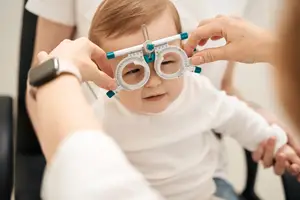
InfantSEE and Additional Options for Families
Camelback Eye Care participates in InfantSEE, a nationwide program that provides a no-cost comprehensive eye exam for eligible infants.
This visit gives parents a clear look at early visual development and eye alignment, and it is a practical way to ask questions before concerns become guesswork.
If you would like to know whether your child qualifies and what to expect during the visit, call our team and we will walk you through the next step.





Medical Insurance Plans We Accept
We accept major medical plans, including Medicare, UnitedHealthcare, Aetna, and other medical carriers. Medical insurance is commonly used when your visit is related to eye disease, an eye health concern, or medical monitoring.
Medical insurance is commonly used for:
-
Eye disease management, including diabetic eye disease, glaucoma, cataracts, and macular degeneration
-
Evaluations for eye irritation, pain, sudden vision changes, infections, or injuries
-
Dry eye evaluations when symptoms relate to a medical diagnosis
-
Medical monitoring for patients with diabetes or other health risks
-
Pre- and post-operative care related to cataract or refractive surgery co-management
-
Medically necessary specialty contact lenses for conditions such as keratoconus
Coverage depends on diagnosis and plan. We review benefits and explain what to expect before your visit when possible.
Vision Insurance Plans We Accept
We accept vision insurance plans such as VSP and other vision products. Vision insurance is commonly used for routine eye exams and benefits that apply to glasses and contact lenses.
Vision insurance is commonly used for:
-
Routine vision exams without a medical complaint
-
Prescription updates for glasses or contact lenses
-
Allowances for frames, lenses, and lens treatments
-
Standard contact lens fittings
If you are unsure whether your visit should be scheduled as a vision exam or a medical exam, call us. We will help you choose the right appointment type.