
Why My Child Squints: A Guide for Phoenix Parents
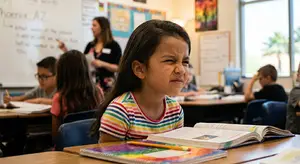
Squinting is often the first signal that a child’s world is losing its sharp edges, particularly as they focus on whiteboards and lessons in the classroom.
The vibrant classrooms of Phoenix schools require sharp vision for students to truly thrive. When a child squints, they are physically narrowing their eyelids to block out extra light and focus the rays reaching the retina, a natural reflex to compensate for blurry sight. This subtle habit often points toward myopia, or nearsightedness, which makes distant objects appear fuzzy while close-up tasks remain clear.
At Camelback Eye Care, we understand that clear vision is the foundation of a child's education and confidence. By identifying these patterns early, parents can help their children maintain a clear path through their school years.
Recognizing Myopia Symptoms in the Classroom
Myopia typically surfaces during the elementary years as children begin to spend more time focusing on distant objects like school boards or sports fields. Beyond the physical act of squinting, children might display other signs that their vision is under strain.
Common indicators include sitting closer to the television, holding tablets very close to the face, or frequent eye rubbing. Some students may report headaches after a long day of school, a direct result of the constant muscular effort required to force their eyes to focus. Because children often assume everyone sees the world exactly as they do, they rarely complain about blurriness. It falls to parents and teachers to observe these behavioral shifts.
The Value of Pediatric Eye Care
A basic school vision screening serves as a helpful checkpoint, yet it frequently misses the nuances of a child’s ocular health. Comprehensive Pediatric & Infant Eye Care provides a deeper look into how the eyes work together and how the physical structure of the eye is developing.
During a pediatric exam, we assess more than just clarity. We check for eye tracking, teaming, and the overall health of the retina. Early intervention allows us to manage myopia growth rather than simply reacting to it. This proactive approach helps preserve a child’s long-term vision and prevents the development of more severe eye conditions later in life.
Vision Solutions for Growing Eyes
When a child requires vision correction, the goal is to provide a solution that fits their active lifestyle. Modern Eyeglasses offer durable, stylish options that children feel confident wearing while running on the playground or sitting in class.
For older children or those heavily involved in Phoenix youth sports, Contact Lenses provide a broader field of view and the freedom to move without the worry of frames slipping. Our team works closely with families to determine the most comfortable and effective option for every student, ensuring they have the tools to succeed both academically and socially.
Book an Appointment at Camelback Eye Care
Your child's vision is their primary tool for learning and exploring the world. If you notice your child squinting or struggling to keep up with schoolwork, a professional assessment is the most reliable way to provide clarity.
At Camelback Eye Care, we provide a warm, welcoming environment for families throughout Phoenix. Our Comprehensive Eye Exams are designed to catch vision changes early and give your child the best possible start to their academic journey. Contact us today to schedule your child’s visit and protect their precious eyesight for years to come.
Frequently Asked Questions
How often should my child have an eye exam?
Children should generally have an eye exam annually, especially if they show signs of myopia or have a family history of vision issues. Regular visits allow our team to monitor changes as your child grows and ensure their prescription is always accurate.
Can myopia be cured in children?
While myopia is not "cured," it is effectively managed through corrective lenses and specialized treatments. Managing the progression of myopia early helps maintain a lower prescription and reduces the risk of eye health complications in adulthood.
Will my child need glasses if they are squinting?
Squinting is a common sign of a refractive error, but it requires a professional exam to confirm the cause. If myopia is the reason, glasses or contact lenses will provide the clarity needed to stop the straining and help the child see comfortably.
What happens during a pediatric eye exam?
A pediatric exam involves child-friendly tests that check visual acuity, eye alignment, and how well the eyes focus. We also examine the internal and external health of the eyes to ensure everything is developing as it should.